Main Menu
Duration
Mar. 12 - Apr. 09, 2026
Duration

Enroll before

One-time Payment

Live sessions

Max. seats
Understanding how to work with the architecture of exhibition spaces is essential for effectively communicating a curatorial concept and connecting with audiences.
This online course will equip you with essential tools and knowledge for designing art exhibitions. You'll learn to develop space layouts and work with light, sound, and texture to transform spaces into engaging exhibitions.
Over five weeks, you will discover how to:
This interactive course combines theory with hands-on exercises and inspiring case studies from both art and architecture. You will be introduced to practical skills in technical drawing and paper modelling, along with toolkits, checklists and guidelines that you can use in future projects.
Through weekly assignments and ongoing feedback, you will also have the opportunity to develop your own exhibition design proposal. By the end of the course, you will have the skills and confidence to translate a curatorial concept into an innovative exhibition design. Tailored for curators, designers, architects, or other cultural professionals, this course doesn’t require previous experience in curating, architecture, or art production.
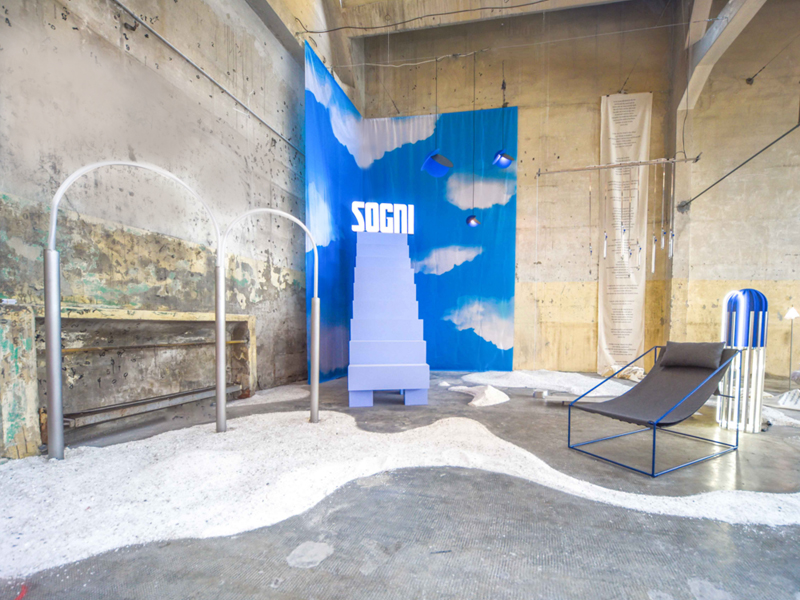
Image: Mahdis Mousavi

Video conferences every Tuesday from 7pm to 9pm Berlin Time CET. Recordings will be available in case you miss a live session!
Session 1. Introduction: program and course overview
This is a one-hour-only welcome session. The lecturer will introduce the program and participants will introduce themselves. No prior preparation is necessary. We will reflect on the relationships between art, the curatorial project and architecture through inspiring references.
You’ll get acquainted with:
Session 2. Working with space: the practicalities
Understanding your venue’s technical issues, practical concerns, and key stakeholders is crucial to drafting a successful exhibition design proposal. This second session covers these fundamentals. You will learn space representation techniques and how to use an evaluation toolkit for assessing future architectural spaces.
You will explore:
Session 3: Envisioning the concept: from inspiration to reality
In this session, you will learn how to translate the curatorial concept into a tangible exhibition design proposal: from creating a mood board to designing an exhibition pathway.
You will discover:
Session 4: Designing the experience: atmospheres and details
This session will delve into materials and technologies you can use to create a distinct exhibition experience. Discover the many design elements you can use to transform the space - from new architectural features to digital media.
You will consider the possibilities of:
Session 5: Prioritizing care: safety, accessibility and sustainability
In session 5, you will gain tools to ensure the space is accessible and safe for visitors. Additionally, you will learn the details of securing artworks and sustainable exhibition practices, such as reusing materials for new projects.
You will focus on:
Language
Classes are held in English.
Format & Modality
The course is fully online and taught live via Zoom in small, interactive groups to support active learning. Live captioning is available during the sessions.
Schedule
Live sessions take place every Tuesday from 7pm to 9pm (Berlin time, CEST).
Attendance
Live attendance is encouraged to get the most out of the course, but recordings are available if you cannot attend a session.
Course Materials
All course materials—including recordings, readings, and presentations—are available on the Node platform for as long as you wish.
Assignments
Optional assignments are included, with personal feedback from the lecturers to help you apply what you learn. Please note that feedback is provided only during the course dates.
Certificate
A downloadable certificate is available upon course completion.
Technical Requirements
A stable internet connection, a computer with a camera and microphone, and access to Zoom are required.
Questions?
Check our FAQ or contact us via our online form.
Fabiana Dicuonzo