Main Menu
Duration
Jan. 08 - Feb. 05, 2026
Duration

Enroll before

One-time Payment

Live sessions

Max. seats
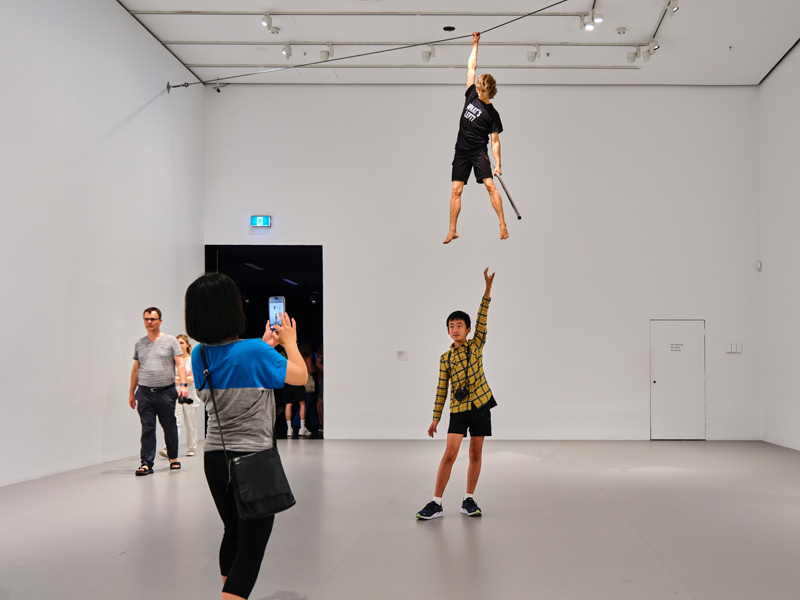
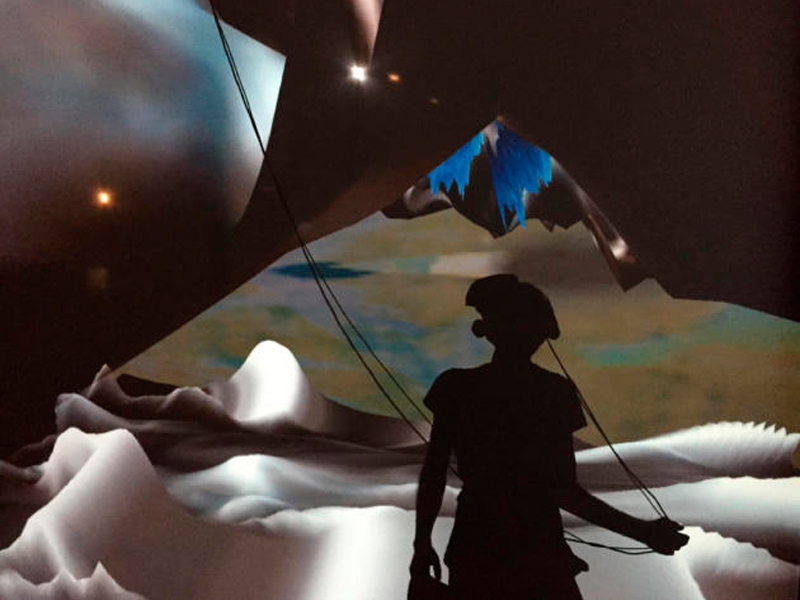
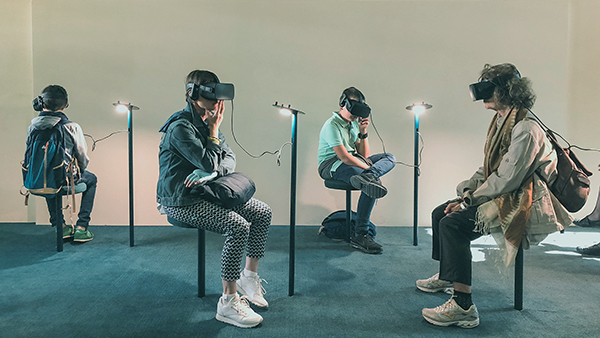
Exhibition visitors today want more than just to look; they seek experiences where they can feel, hear, move, and even play. New technologies are expanding what’s possible in exhibition design, making immersive and multi-sensory formats more accessible than ever. Yet with so many tools and approaches available, it can be hard to know where to begin.
This course focuses on how to create immersive experiences that engage all the senses. Over five weeks, you will learn to apply interactive exhibition design techniques step-by-step. Along the way, we will survey emerging technologies to find innovative ways to invite visitor connection.
The course covers how to:
Through inspiring cases, best practices, and ongoing in-class discussions, you will learn to transform an idea into a sensory-rich and interactive experience. By the end of the course, you will put theory into practice by developing your own immersive exhibition concept.
This course is ideal for curators, creative producers, exhibition designers, and anyone involved in producing exhibitions who want to work with new technologies. Previous experience in art production, curating, or exhibition design is helpful but not required.
Image: Note Thanun

Week 1: Initiate
This is a one-hour welcome session. The lecturer will introduce the program, and participants will introduce themselves. No prior preparation is necessary.
Week 2: Immerse
This session introduces key concepts and delves into a range of innovative case studies to draw inspiration from for your own project.
Week 3: Build
This session focuses on the technologies and methods that can be used to build immersive experiences.
Week 4: Orchestrate
This session explores key strategies and best practices for designing the audience experience as they move through an exhibition.
Week 5: Showcase
In this final week, each participant will share their interactive exhibition design projects, engaging in group discussion and receiving constructive feedback from peers and the lecturer.
Language
Classes are held in English.
Format & Modality
The course is fully online and taught live via Zoom in small, interactive groups to support active learning. Live captioning is available during the sessions.
Schedule
Live sessions take place every Thursdat from 3pm to 5pm (Berlin time, CEST).
Attendance
Live attendance is encouraged to get the most out of the course, but recordings are available if you cannot attend a session.
Course Materials
All course materials—including recordings, readings, and presentations—are available on the Node platform for as long as you wish.
Assignments
Optional assignments are included, with personal feedback from the lecturers to help you apply what you learn. Please note that feedback is provided only during the course dates.
Certificate
A downloadable certificate is available upon course completion.
Technical Requirements
A stable internet connection, a computer with a camera and microphone, and access to Zoom are required.
Questions?
Check our FAQ or contact us via our online form.
Charlotte van den Bosch