Main Menu
One-time Payment
189.00 € (incl. VAT)
One-time Payment

Live sessions

Max. seats
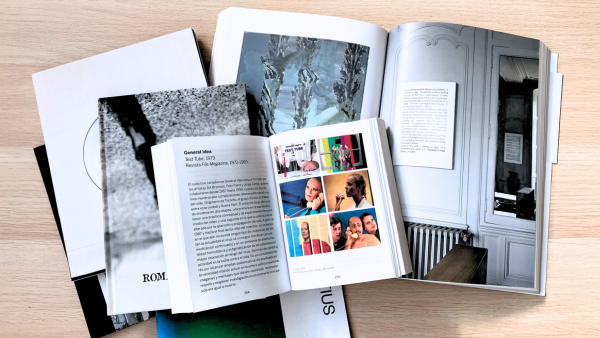
Exhibition texts are vital tools in supporting an audience's understanding of an exhibition, artwork or artist. This course is a practical guide for improving your skills in producing exhibition texts and editing texts received from artists or collaborators. Additionally, this course considers the responsibilities curators have in producing sources of information for audiences and representing the practice of artists.
The course will start out by presenting strategies and standards for structuring texts aimed at different types of audience. We will use the Paddlers, Swimmers and Divers model as a guide through the course to help us shape our texts. We will learn how to embrace and make use of the flexibility of language, considering it in new ways while staying true to our own voice.
The course will consider the ethical responsibilities we have as knowledge producers, interpreters and conveyors for audiences. Alongside this, we have a responsibility to the artists and collaborators we work with to ensure that they are being presented and heard in the ways they want to be. Finally, we will consider the responsibility we have to ourselves in terms of time management, energy and self-representation.
By the end of the course, you will have developed new skills, techniques and confidence in writing, collated a set of resources to help in text production and editing and have created a selection of texts in your own voice which you can refer back to for years to come.
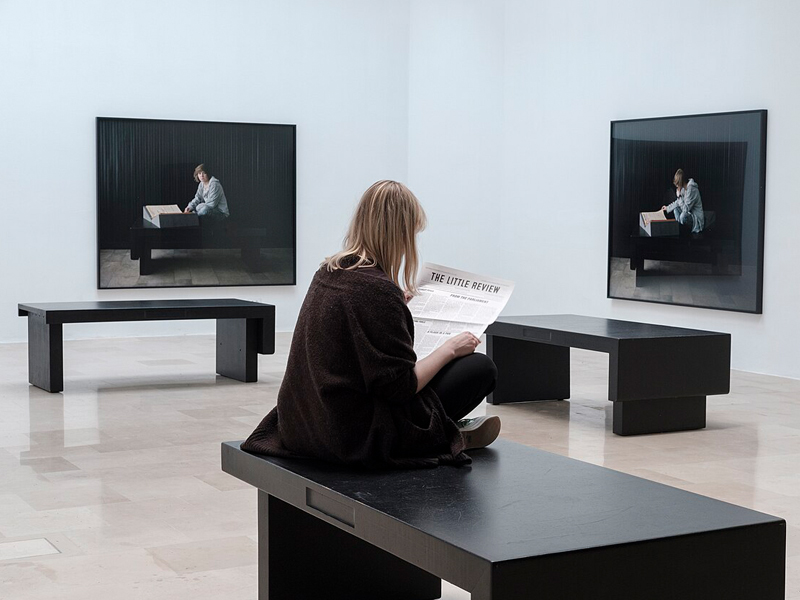
Image by: Marnix Hogendoorn

Session 1: Introduction
This week is a one hour welcome session. The lecturer will present the course and participants will present themselves. No prior preparation is necessary.
Session 2: Writing
Session 3: Editing
Session 4: Ethics
Session 5: Peer Review
Taking everything we have learned and produced, everyone will have a short time slot where their work will be commented on by the rest of the class and a decision reached as to the clarity and effectiveness of their final texts. The session will be followed by written feedback to every participant from the lecturer.
Language
Classes are held in English.
Format & Modality
The course is fully online and taught live via Zoom in small, interactive groups to support active learning. Live captioning is available during the sessions.
Schedule
Live sessions take place every (Day) from (Time) (Berlin time, CEST).
Attendance
Live attendance is encouraged to get the most out of the course, but recordings are available if you cannot attend a session.
Course Materials
All course materials—including recordings, readings, and presentations—are available on the Node platform for as long as you wish.
Assignments
Optional assignments are included, with personal feedback from the lecturers to help you apply what you learn. Please note that feedback is provided only during the course dates.
Certificate
A downloadable certificate is available upon course completion.
Technical Requirements
A stable internet connection, a computer with a camera and microphone, and access to Zoom are required.
Questions?
Check our FAQ or contact us via our online form.
Joe Rowley