Main Menu
Duration
Mar. 18 - Apr. 15, 2026
Duration

Enroll before

One-time Payment

Live sessions

Max. seats
Managing art collections is a practice that requires a broad set of skills—from working with digital inventories and legal procedures to supervising art conservation.
In this course, you’ll gain the tools and knowledge to confidently navigate the responsibilities of caring for an art collection—whether it’s a large institutional archive or a private inventory.
Through case studies and group discussions, you’ll learn the day-to-day administrative essentials that keep a collection running, such as managing inventories and documentation.
We’ll also take a long-term view, exploring how to shape a collection’s mission, enhance its visibility, and assess its condition and value over time.
By the end of the course, you will be able to:
This course is designed for curators and art managers who want to enter the field of collection management or strengthen their skill set to ensure the effective stewardship of art collections for future generations.

Session 1: Introduction and Course Presentation.
This is a one-hour-only welcome session. The lecturer will introduce the program and participants will introduce themselves. No prior preparation is necessary.
Session 2: Introduction to Art Collection Management and Museum Collections.
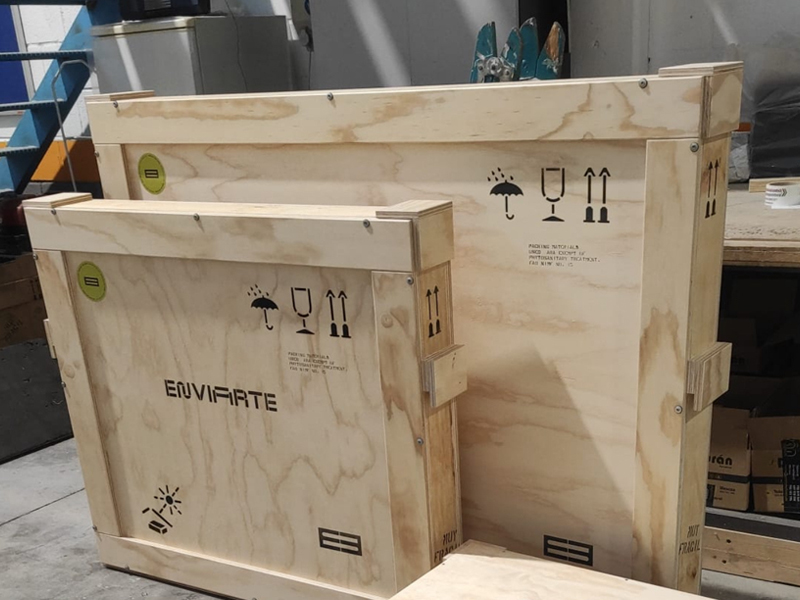
Session 3: Acquisition, Loans, and Transportation in Collection Management
Session 4: Maintenance, Cataloging, and Preventive Conservation of Collections
Session 5: Evaluation, Growth, and Long-Term Preservation of the Collection
Language
Classes are held in English.
Format & Modality
The course is fully online and taught live via Zoom in small, interactive groups to support active learning. Live captioning is available during the sessions.
Schedule
Live sessions take place every Wednesday from 7pm to 9pm (Berlin time, CEST).
Attendance
Live attendance is encouraged to get the most out of the course, but recordings are available if you cannot attend a session.
Course Materials
All course materials—including recordings, readings, and presentations—are available on the Node platform for as long as you wish.
Assignments
Optional assignments are included, with personal feedback from the lecturers to help you apply what you learn. Please note that feedback is provided only during the course dates.
Certificate
A downloadable certificate is available upon course completion.
Technical Requirements
A stable internet connection, a computer with a camera and microphone, and access to Zoom are required.
Questions?
Check our FAQ or contact us via our online form.
María Amador