Main Menu
One-time Payment
189.00 € (incl. VAT)
One-time Payment

Live sessions

Max. seats
Whether you want to run a small commercial art space or a large international business, gallery management requires a wide spectrum of strategic, administrative and creative skills. The manager is the person in charge of the success of the gallery both in its artistic development and in its financial prosperity. This course offers a practical approach to how a commercial gallery functions and will give you the fundamental knowledge to successfully develop and manage one yourself.
The program delves into the main tasks of a gallery manager and the different aspects of gallery operations. First, we will start with strategies for developing your business identity and explore the relationship between the gallery and its pool of artists. Second, we will analyse the role of marketing and how it can be mobilised for greater success in selling. In the third session, we will go through the core of office organisation including daily administration and maintaining an inventory. Finally, we will focus on the logistical tasks under the manager’s supervision: from artwork production to its delivery to the client.
Following this course you will gain a full understanding of what makes a successful and flourishing business. We will also learn from common mistakes so that you can establish a reputable and long-lasting art gallery.
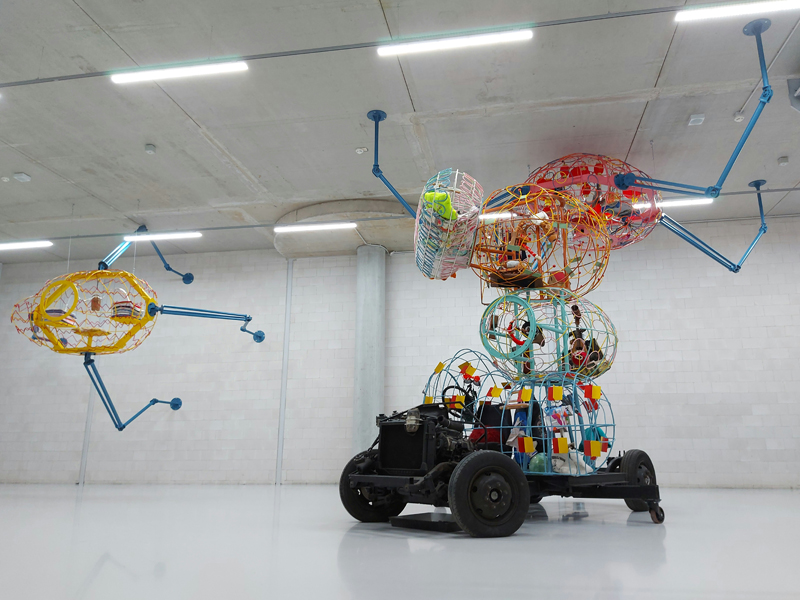
Image: Author of the shown artwork: Rita Rohlfing Author of the photograph of the shown artwork: Andreas Mesli Both authors must be named., CC BY-SA 4.0, via Wikimedia Common

Session 1. Introduction
This is a one-hour-only welcome session. The lecturer will introduce the program and participants will introduce themselves. No prior preparation is necessary.
Session 2: Prospecting, research, artist liaison
Session 3: Promotion, marketing and sales
Session 4: Administration, accounting, archive and inventory
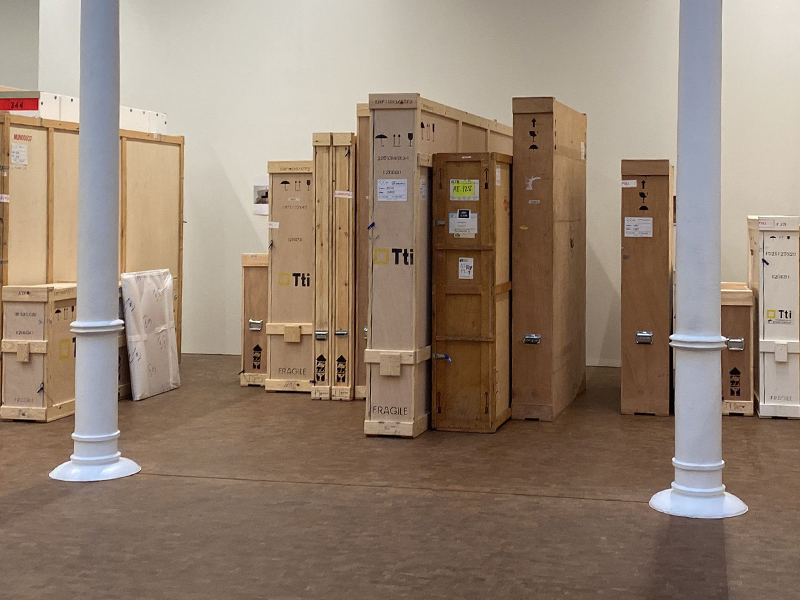
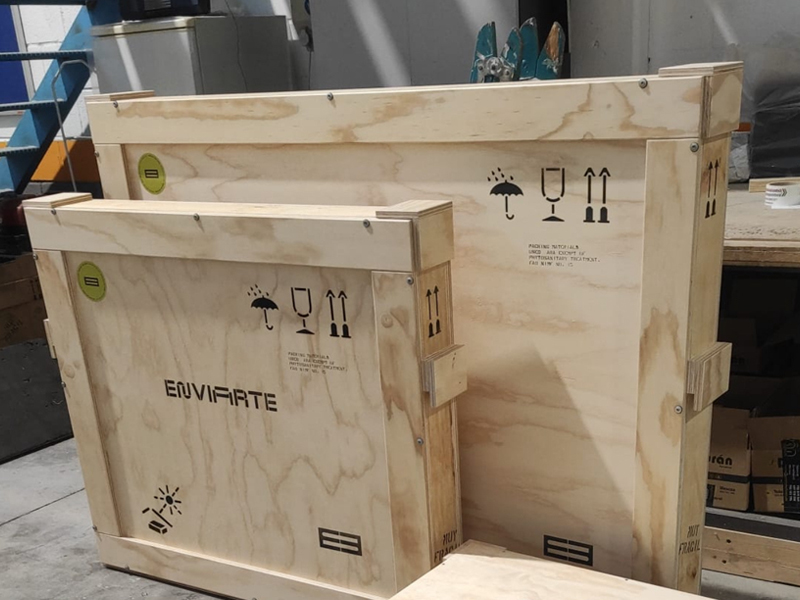
Session 5: Logistics: from artwork production to client delivery
Language
Classes are held in English.
Format & Modality
The course is fully online and taught live via Zoom in small, interactive groups to support active learning. Live captioning is available during the sessions.
Schedule
Live sessions take place every (Day) from (Time) (Berlin time, CEST).
Attendance
Live attendance is encouraged to get the most out of the course, but recordings are available if you cannot attend a session.
Course Materials
All course materials—including recordings, readings, and presentations—are available on the Node platform for as long as you wish.
Assignments
Optional assignments are included, with personal feedback from the lecturers to help you apply what you learn. Please note that feedback is provided only during the course dates.
Certificate
A downloadable certificate is available upon course completion.
Technical Requirements
A stable internet connection, a computer with a camera and microphone, and access to Zoom are required.
Questions?
Check our FAQ or contact us via our online form.
Doris Friedl
"Very informative and well-planned by the course leader. I got exactly what I hoped for in regards to the content. Also very clear instructions from Node on how the course works."