


 Main Menu
One-time Payment
189.00 € (incl. VAT)
One-time Payment

Live sessions

Max. seats
Securing arts funding is essential for the long-term sustainability of cultural initiatives. This course offers a thorough overview of the various income sources available to support arts projects and spaces. Over five weeks of learning, you will be equipped with the knowledge and skills to:
Throughout the course, you will receive practical tools, templates, and guidance to enrich your funding know-how. In addition, we learn from each other through interactive group exercises. By the end, you will come away with a structured approach to acquiring funds for arts projects and spaces.
This course is for anyone in the arts seeking foundational knowledge or to refine existing expertise, whether you're an independent curator or work within a large museum. No prior knowledge is necessary, however, experience in working in the arts is helpful.
For this course we will use Miro (an online whiteboard). No prior experience is needed, but we recommend exploring it briefly beforehand here.
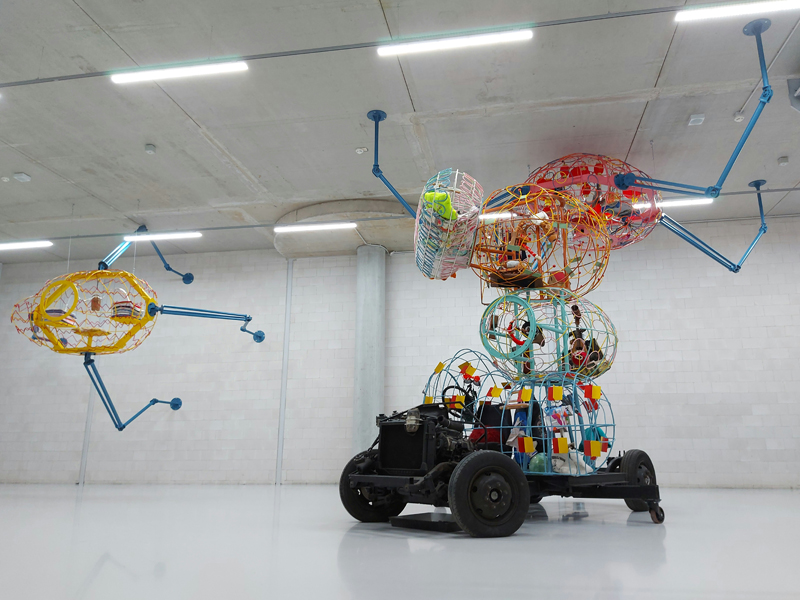
Image: Ardfern, CC BY-SA 3.0, via Wikimedia Commons

Video conferences on Mondays, from 7pm to 9pmBerlin Time CET. Recordings available in case you miss a live session!
Week 1: Introduction
Week 2: Public Funding
Week 3: Private Funding
Week 4: Earned Income
Week 5: Grant Applications and Project Budgets
Language
Classes are held in English.
Format & Modality
The course is fully online and taught live via Zoom in small, interactive groups to support active learning. Live captioning is available during the sessions.
Schedule
Live sessions take place every (Day) from (Time) (Berlin time, CEST).
Attendance
Live attendance is encouraged to get the most out of the course, but recordings are available if you cannot attend a session.
Course Materials
All course materials—including recordings, readings, and presentations—are available on the Node platform for as long as you wish.
Assignments
Optional assignments are included, with personal feedback from the lecturers to help you apply what you learn. Please note that feedback is provided only during the course dates.
Certificate
A downloadable certificate is available upon course completion.
Technical Requirements
A stable internet connection, a computer with a camera and microphone, and access to Zoom are required.
Questions?
Check our FAQ or contact us via our online form.
Tom Koch






.JPG)